Have you ever received a text saying “DW, I’ll handle it” and wondered what it meant? You’re not alone. Internet slang changes fast, and keeping up with new abbreviations can sometimes feel impossible. Whether you’re chatting with friends, scrolling through social media, gaming online, or replying to coworkers, understanding common text shortcuts helps you communicate with confidence.
If you’re a student, parent, professional, gamer, or simply someone who wants to understand modern online conversations, this guide is for you. I’ll explain what DW means in simple language, show you where people use it, and share plenty of real-life examples. By the end, you’ll know exactly when to use DW, how to reply to it naturally, and when it’s better to avoid using it in formal communication.
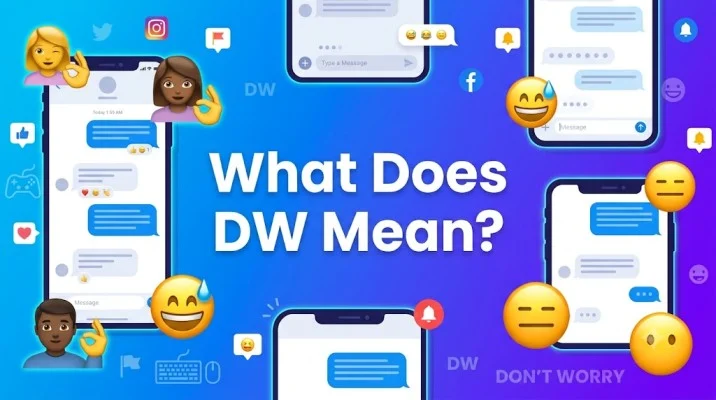
What Does DW Mean?
The abbreviation DW most commonly stands for “Don’t Worry.”
People use it to reassure someone, reduce stress, or let another person know that everything is fine.
It’s one of the most common texting abbreviations because it’s short, friendly, and easy to understand.
Simple Definition
DW = Don’t Worry
It tells someone:
- Everything is okay.
- There’s no problem.
- You don’t need to stress.
- I’ll take care of it.
Everyday Examples
Friend 1: Sorry I’m running late.
Friend 2: DW, I’m still getting ready.
Student: I forgot to send the homework.
Classmate: DW, the teacher extended the deadline.
Coworker: I made a small mistake in the report.
Manager: DW. We’ll fix it together.
Why People Use DW
People like using DW because it’s:
- Fast to type
- Friendly
- Supportive
- Common on nearly every messaging platform
Background & History
Like many internet abbreviations, DW became popular during the early days of online messaging.
When texting first became common, many phones had physical keyboards where typing took longer. Users naturally shortened common phrases.
Instead of typing:
Don’t worry.
People simply wrote:
DW.
As smartphones, social media, and instant messaging apps grew, DW spread across many platforms including:
- Messenger
- Snapchat
- Discord
- Twitter (X)
- TikTok comments
Today, DW has become a universal piece of internet slang understood by millions of English speakers.
Unlike trendy slang that disappears after a few years, DW has stayed popular because people frequently reassure others in conversations.
How DW Is Used in Different Situations
In Text Messages
This is where DW appears most often.
Example
Sarah: Sorry I forgot your charger.
Emma: DW. I already borrowed one.
On Social Media
People often use DW in comments.
Example
User A:
“I accidentally deleted my story.”
User B:
“DW, nobody probably noticed 😂”
In Gaming
Gamers use DW to keep teammates calm.
Example
Player 1:
“I missed the shot.”
Player 2:
“DW. We’ll win the next round.”
At School
Students frequently reassure classmates.
Example
Alex:
“I think I failed.”
Mia:
“DW. It wasn’t that difficult.”
At Work
Coworkers may use DW in casual chats.
Example:
“I’ll finish the presentation.”
“DW. I’ve already completed it.”
Common Misconceptions & Clarifications
Although DW usually means Don’t Worry, there are situations where it can mean something else.
DW Does NOT Always Mean Don’t Worry
Depending on context, DW may refer to:
| Meaning | Where Used |
|---|---|
| Don’t Worry | Texting |
| Dear Wife | Family forums |
| Doctor Who | TV discussions |
| Deutsche Welle | News organization |
| Dream World | Gaming or entertainment |
Because of these different meanings, context always matters.
Is DW Offensive?
No.
DW is considered polite and supportive.
However, if used sarcastically, it may sound dismissive.
Example:
“DW…you’ll probably mess it up again.”
The words stay the same, but the tone changes completely.
Similar Terms & Alternatives
People often use these expressions instead of DW.
| Expression | Meaning | Tone |
|---|---|---|
| No worries | Relax | Friendly |
| It’s okay | Reassuring | Neutral |
| Don’t stress | Calm down | Casual |
| You’re fine | Reassurance | Friendly |
| No problem | Everything is okay | Casual |
| All good | Nothing is wrong | Informal |
| It’s alright | Comforting | Neutral |
Each has the same general purpose but fits slightly different conversations.
How to Respond to DW
There isn’t one correct reply.
Your response depends on the situation.
Casual Reply
“Thanks!”
“Okay 😊”
“Appreciate it.”
Friendly Reply
“You always save the day.”
“You’re the best!”
“Good to know.”
Funny Reply
“I was already panicking 😂”
“Crisis officially canceled.”
“I can breathe again.”
Professional Reply
“Thank you for letting me know.”
“I appreciate your reassurance.”
“Understood. Thanks.”
Privacy-Conscious Reply
“Thanks, I’ll handle it.”
“I appreciate the update.”
“Sounds good.”
Regional & Cultural Differences
DW is most common in English-speaking countries.
These include:
- United States
- Canada
- United Kingdom
- Australia
- New Zealand
Many non-native English speakers also use DW because English dominates online communication.
In other languages, similar phrases exist.
Spanish:
“No te preocupes.”
French:
“Ne t’inquiète pas.”
German:
“Keine Sorge.”
Although the wording changes, the meaning remains the same.
DW vs Similar Internet Slang
| Term | Meaning | Purpose |
|---|---|---|
| DW | Don’t Worry | Reassure |
| NVM | Never Mind | Ignore previous message |
| IDC | I Don’t Care | Show indifference |
| BRB | Be Right Back | Temporary absence |
| IMO | In My Opinion | Share opinion |
| TBH | To Be Honest | Honest statement |
| FYI | For Your Information | Give information |
- DW is unique because it focuses on comforting someone.
DW on Social Media, Gaming & Dating Apps
Snapchat
Friends often reply:
“DW.”
Meaning:
“I’m not upset.”
Used in comments and DMs.
Example:
“DW. Your post looks amazing.”
X (Twitter)
Users reassure others during conversations.
Discord
Gamers frequently type:
“DW.”
Meaning:
“We’re still okay.”
Tinder
If someone apologizes for replying late:
Person A:
“Sorry, I was busy.”
Person B:
“DW 😊”
It creates a relaxed atmosphere.
Tips
- Read the entire conversation.
- Don’t assume sarcasm.
- Match the other person’s tone.
- Use emojis when appropriate.
Hidden or Offensive Meanings
In almost every conversation, DW simply means:
Don’t Worry.
It is not considered offensive.
However, context matters.
Compare these:
Friendly:
“DW. Everything worked out.”
Sarcastic:
“DW…I’m used to people forgetting.”
The second example feels negative because of the tone—not because DW itself is offensive.
Always consider punctuation, emojis, and previous messages.
Is DW Appropriate for Professional Communication?
It depends.
Acceptable
- Internal team chat
- Slack
- Microsoft Teams
- Casual work conversations
Example:
“DW. I’ll finish the report.”
Better Alternatives
For emails and formal writing, use complete phrases.
Instead of:
DW.
Write:
- Don’t worry.
- No problem.
- I’ll take care of it.
- Everything is under control.
- Please don’t worry about it.
These sound more professional.
Frequently Asked Questions
What does DW mean in texting?
It usually means Don’t Worry.
What does DW mean on Snapchat?
It normally means Don’t Worry and reassures the other person.
Is DW rude?
No. It is generally friendly and polite.
Can DW have different meanings?
Yes. Depending on the context, it can also refer to Dear Wife, Doctor Who, or Deutsche Welle, but Don’t Worry is by far the most common meaning in everyday conversations.
Should I use DW in work emails?
No. It’s better to write the full phrase Don’t worry or another professional alternative.
Is DW common among teenagers?
Yes. Teenagers and young adults use it frequently in texts, social media, and gaming chats.
Conclusion
DW is one of the simplest and most useful internet abbreviations you’ll come across. In most conversations, it means “Don’t Worry,” offering reassurance and helping keep chats friendly and relaxed. Whether you’re texting a friend, commenting on social media, playing online games, or messaging a coworker in a casual workplace chat, understanding DW makes communication easier. Just remember that context is important because the abbreviation can occasionally have other meanings, such as Dear Wife or Doctor Who. For formal emails or professional documents, it’s usually better to write the full phrase instead of the abbreviation. Now that you know what DW means, you’ll be able to recognize it instantly, use it naturally, and respond with confidence in almost any online conversation.
Discover More Post:
What Does the Green Dot Mean on Snapchat – Punzelo.com
What Does OFC Mean| Complete Meaning, Origin, Usage …