One word can completely change the tone of an online conversation, and What Does Glazing Mean has become one of those expressions that suddenly seems to appear everywhere. A casual comment, a viral video, or a gaming clip can include the term without any explanation, leaving many people unsure whether it’s meant as a compliment, an insult, or simply part of internet humor.
The interesting part is that the meaning often depends on where it’s being used. The same expression can carry a different message on TikTok, X, Discord, or in everyday conversations, which is why so many people search for What Does Glazing Mean after seeing it online. Once you understand the context behind the word and see it used in real examples, its purpose becomes much clearer, and the conversations that once seemed confusing suddenly make perfect sense.
What Does Glazing Mean?
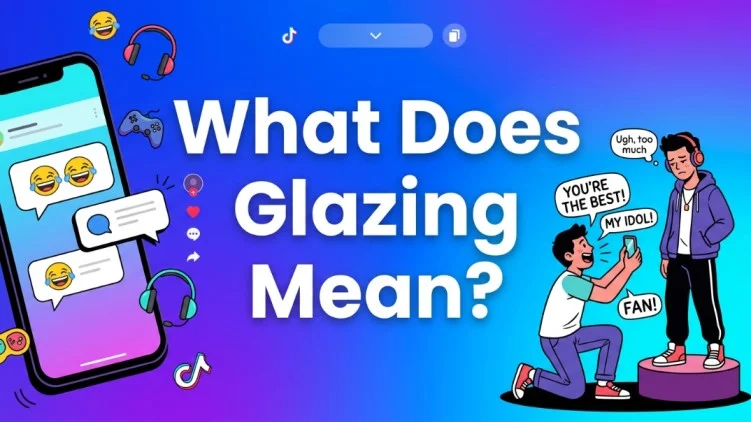
The most common slang meaning of glazing is overpraising or excessively complimenting someone, especially in a way that seems unnecessary or obsessive. It is often used online to tease someone for acting like a huge fan or defending another person too strongly.
| Detail | Explanation |
|---|---|
| Most Common Meaning | Excessively praising or admiring someone |
| Full Form | None; “glazing” is a slang term, not an acronym |
| Tone | Playful, sarcastic, teasing |
| Common Platforms | TikTok, X, Instagram, Discord, gaming chats |
| Formal or Informal | Informal |
The Main Slang Meaning of Glazing
Online slang has given glazing a meaning that differs from its traditional dictionary definition. Instead of referring to glass or coatings, it describes someone who is constantly praising another person.
When people accuse someone of glazing, they usually mean that person is:
- Complimenting someone far too much.
- Defending someone no matter what.
- Acting like an overly devoted fan.
- Giving praise that seems exaggerated.
For example:
Friend A: “That singer has literally never made a bad song.”
Friend B: “Bro, you’re glazing.”
Meaning: Friend B thinks the praise is unrealistic and overly enthusiastic.
The phrase is commonly used humorously rather than as a serious insult.
Other Meanings of Glazing
While slang is now one of the most searched meanings, glazing also has several legitimate non-slang definitions depending on the conversation.
| Meaning | Context | Tone | Example |
|---|---|---|---|
| Excessive praise | Internet slang | Playful | “You’re glazing again.” |
| Applying a shiny coating | Cooking | Neutral | “Brush the ham with honey glaze.” |
| Installing glass | Construction | Neutral | “The glazing was finished yesterday.” |
| Ceramic coating | Pottery | Technical | “The vase needs another glaze.” |
If someone says “glazing” on TikTok or in a group chat, they’re almost certainly referring to the slang meaning rather than cooking or construction.
How Context Changes the Meaning
Because glazing has multiple meanings, context is essential.
Example 1
“You’re glazing the coach.”
Meaning: You’re praising the coach far too much.
Example 2
“The bakery is glazing the donuts.”
Meaning: Applying a sweet coating.
Example 3
“The contractor finished the glazing today.”
Meaning: Installing or repairing glass.
Looking at the surrounding conversation usually makes the intended meaning obvious.
Glazing Meaning on Different Platforms
The slang meaning remains mostly consistent across social media, although the situations where it’s used vary.
TikTok
On TikTok, glazing often appears in comments when someone defends an influencer or praises a creator excessively.
Example:
“He’s been glazing that streamer all week.”
The tone is usually sarcastic or humorous.
Instagram and X
People use glazing when reacting to celebrity posts, sports discussions, or viral debates.
Example:
“Everyone in the comments is glazing.”
The word suggests the compliments feel over-the-top.
Discord and Gaming Chats
Gamers often accuse teammates of glazing another player who made only one impressive move.
Example:
“Stop glazing him it was one lucky shot.”
Text Messages and Group Chats
Friends use glazing jokingly when someone repeatedly compliments another friend.
Example:
“You’ve been glazing Jake all afternoon.”
The meaning is casual and rarely intended to offend close friends.
Real Conversation Examples
Friends
Person A: “He’s the smartest guy in school.”
Person B: “You’re glazing.”
Meaning: The compliment sounds exaggerated.
Sports Chat
Person A: “That player never makes mistakes.”
Person B: “That’s pure glazing.”
Meaning: The praise seems unrealistic.
Social Media
Person A: “Best YouTuber ever.”
Person B: “Comment section is glazing again.”
Meaning: Fans are praising the creator excessively.
Gaming
Person A: “Our teammate carried us.”
Person B: “You’re glazing everyone helped.”
Meaning: Credit is being given too heavily to one player.
Family
Person A: “Grandma says I’m perfect.”
Person B: “She’s allowed to glaze you.”
Meaning: The compliment is affectionate and intentionally exaggerated.
Tone and Emotional Meaning
The tone of glazing changes depending on the relationship between the people involved.
Is Glazing Rude?
Usually, no.
Among friends, calling someone a “glazer” or saying they’re glazing is often playful teasing. However, if used aggressively during an argument, it can feel dismissive or insulting.
Is Glazing Funny?
Often, yes.
Many memes and comment sections use the word as a joke whenever someone shows extreme admiration for a celebrity, athlete, or content creator.
Is Glazing Offensive?
Generally, it’s only mildly insulting.
It criticizes someone’s behavior rather than attacking them personally, but repeated accusations may annoy the other person.
Emojis also influence tone.
- 😂 usually makes it playful.
- 💀 emphasizes joking disbelief.
- 😭 often exaggerates the humor.
- 😒 can make the comment sound more critical.
How to Reply to “You’re Glazing”
If someone says you’re glazing, your response depends on whether you’re joking around or having a genuine discussion.
Friendly Replies
- “Maybe a little.”
- “I just like their work.”
- “I’m giving credit where it’s due.”
- “Fair enough.”
- “I stand by what I said.”
Funny Replies
- “Professional glazer reporting for duty.”
- “I’ll glaze even harder.”
- “No regrets.”
- “Someone has to support them.”
- “Certified fan club president.”
Replies When You’re Confused
- “What do you mean by glazing?”
- “Are you saying I’m overhyping them?”
- “Can you explain what you mean?”
When You Should Use Glazing
The slang works best in casual conversations where everyone understands internet culture.
Good situations include:
- Talking with friends.
- TikTok comments.
- Gaming communities.
- Sports discussions.
- Celebrity debates.
- Group chats.
- Meme pages.
Use it when you’re joking about someone giving excessive praise rather than making a serious accusation.
When to Avoid Using Glazing
Some situations call for clearer language.
Avoid using the slang in:
- Professional emails.
- Business meetings.
- Academic writing.
- Job applications.
- Formal presentations.
- Conversations with people unfamiliar with internet slang.
Instead, say someone is being “overly complimentary” or “showing excessive admiration.”
Common Mistakes
| Common Mistake | Correct Understanding |
|---|---|
| Thinking glazing is an acronym | It is a slang word, not an abbreviation. |
| Assuming it’s always rude | It’s often playful among friends. |
| Ignoring context | It can also refer to cooking, pottery, or glass installation. |
| Using it formally | The slang is best reserved for casual conversations. |
Similar Slang Terms
| Term | Meaning | Main Difference |
|---|---|---|
| Meat riding | Excessive admiration | More insulting and vulgar than glazing. |
| Fanboying | Showing strong support | Doesn’t always imply exaggerated praise. |
| Dickriding | Blindly defending someone | Stronger and more offensive slang. |
| Simping | Excessive affection, often romantic | Usually relates to attraction rather than general admiration. |
| Hyping | Encouraging or praising | Can be positive without suggesting exaggeration. |
Where Did the Slang Glazing Come From?
The exact origin of the slang meaning isn’t clearly documented. Over time, online communities began using glazing humorously to describe excessive admiration or nonstop compliments toward someone, especially public figures, athletes, gamers, and influencers.
Its popularity has grown through memes, gaming communities, and short-form video platforms, where quick, sarcastic reactions are common.
Quick Recap
- Glazing usually means excessively praising or defending someone.
- It is a slang word, not an acronym or full form.
- The tone is usually playful and sarcastic.
- Context helps distinguish slang from cooking or construction meanings.
- Casual conversations and social media are the best places to use it correctly.
Frequently Asked Questions
What does glazing mean in text?
Glazing usually means giving someone excessive praise or admiration that sounds exaggerated or biased.
Is glazing rude?
Glazing is generally playful among friends but can sound insulting if used during a serious disagreement.
What does glazing mean on TikTok?
On TikTok, glazing usually refers to overhyping or excessively defending a creator, celebrity, or public figure.
How should you reply to glazing?
A lighthearted acknowledgment or brief explanation of your opinion is usually the most natural response.
Can glazing have different meanings?
Yes, it can refer to excessive praise in slang or traditional meanings related to cooking, pottery, or glass installation.
Final Thoughts
If you were wondering what does glazing mean, the most common answer is simple: it describes someone giving excessive praise or admiration, often in a joking or sarcastic way. While the word has traditional meanings outside internet slang, social media users almost always use it to tease someone for overhyping a person, team, or creator. Paying attention to the conversation, platform, and tone will help you understand exactly how it’s being used and whether it’s meant as friendly humor or mild criticism.
Discover More Post:
What Does 67 Mean | Complete Guide to Its Slang, Love, and …
What Does WLW Mean| Complete Meaning, Origin, Usage …
What Does Nonce Mean in UK | The Real Meaning, Origin …